
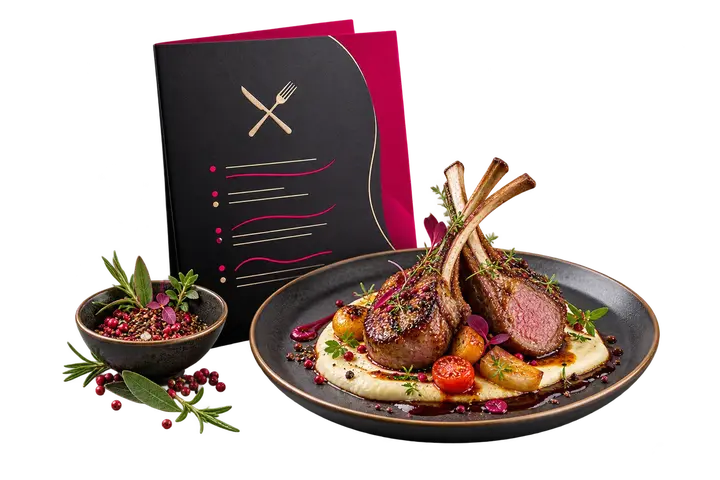
An international guest may be able to read a dish's name and still hesitate to order. The portion might be unclear, the sauce unfamiliar or the relationship between the name and its ingredients uncertain. A tourist menu becomes useful when it answers those practical questions. The aim is not to erase regional names but to preserve their identity while making the experience understandable. A breakfast café in Türkiye and a bistro in Germany can apply the same principle in different ways. A universal translation list cannot replace their recipes.
Keep the regional name and explain the experience
A traditional name often carries part of a dish's cultural identity. Replacing it completely with a supposedly similar item from another country can create the wrong expectation. Keeping the name and adding a brief explanation may work better. Main ingredients, preparation style and presentation should be understandable. A long history is not necessary for every item; the priority at the point of ordering is information that helps a guest make a choice.
Imagine a restaurant serving mantı with a meat filling and yoghurt sauce. A broad translation such as “dumplings” may not adequately describe this house recipe or the way it arrives. The menu should explain the actual filling and sauce. That does not imply that all mantı are made identically. The source for translation is the restaurant's confirmed recipe, not a generic online definition that may describe a different regional version or a different serving tradition.
Repair the source description first
If the original text is unclear, translating it multiplies the problem. Start with a base description approved by the person responsible for the product. Make ingredients, portion scope and optional changes explicit. Other languages should carry the same meaning. If sauce is included in one version but appears to cost extra in another, more than a word has changed: the business promise is different. Price and scope should not be freely interpreted during translation.
Bring kitchen knowledge and language knowledge into the review. A colleague familiar with the recipe checks factual accuracy, while a strong target-language reader checks natural clarity. These perspectives complement each other. Assign someone to revisit every version when a supplier, recipe or portion changes. A multilingual menu is not merely a completed text project; it is ongoing product information maintenance that should follow the same changes as the original description.
Make the portion and service format visible
For an unfamiliar dish, guests may try to judge size from a photograph. If the image suggests an inaccurate scale, add a straightforward serving explanation. Indicating a main course, starter or sharing dish can help. Concrete scope is usually more useful than exaggerated adjectives. A “generous plate” does not automatically explain which components will arrive, which are optional and which decorative elements appear only in the photograph used to introduce the dish.
Spice level and a separately served sauce also need to reflect actual practice. Do not assume that every modification is possible. If ingredients are mixed in advance, staff should check before promising to remove one. An answer can be linguistically correct and still disappoint when the kitchen cannot carry it out. Clear options and honest limits help a guest decide without needing to renegotiate the order after it reaches the table.
Do not infer allergen information from translation
A translated product name does not establish verified ingredients or allergens. The European Commission is an official reference point for the EU food-information framework. In Türkiye, current information from the responsible ministry needs its own consideration. Do not turn these separate frameworks into a single promise of automatic compliance. The restaurant should check the requirements relevant to its location and type of business instead of assuming that the right language establishes suitability under local rules.
Uncertain information must not be translated into a confident assurance. Staff who understand the question should use confirmed recipe and ingredient records and ask the kitchen when necessary. Safe preparation also remains a separate responsibility; the WHO's basic approach provides general background. A well-written menu cannot replace appropriate service procedures or a check by the person qualified to confirm the relevant information in the restaurant.
Test the decision, not only the wording
During a trial, do not simply ask whether somebody likes the translation. Ask which dish they selected, what they expect on the plate and what they could not find out. Compare expectation and actual service once the food arrives. This checks more than individual words. It reveals whether the business has explained the product or merely moved its name into another language without clarifying what the guest is buying.
Finally, check that every version describes the same scope. Older printed menus, social posts and other screens may still contain conflicting information. The best tourist menu is not the one displaying the largest number of language symbols. It is the one that helps guests understand their order while allowing staff to describe the same recipe and service promise reliably. Accurate translation remains tied to the working kitchen and stays useful through attention to everyday changes.



