
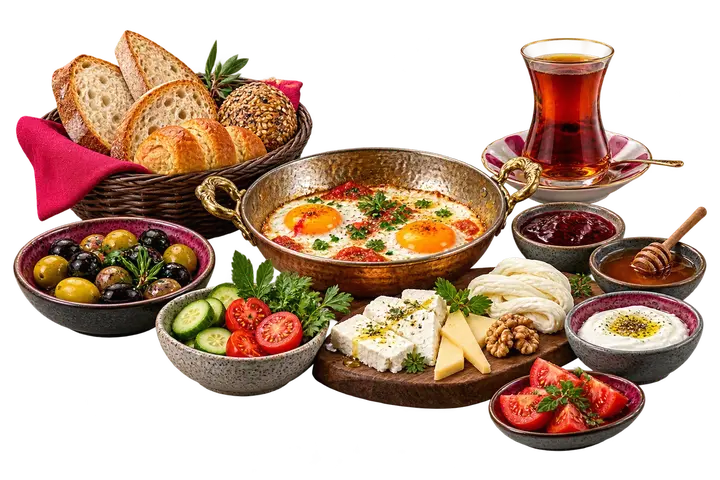
A full café on a weekend morning can look like a successful breakfast business. Behind the busy tables, however, refilled tea, returned cheese and a growing queue of egg orders may absorb more resources than expected. Occupancy and earnings tell different stories. A useful brunch plan connects what the business buys, what the kitchen prepares and what guests actually consume. The objective is to preserve a generous experience while understanding the work and materials behind it, especially when a small team has limited room to manoeuvre.
Define what the offer actually includes
A breakfast per person, a sharing platter and a selection of individual brunch dishes are different products. Explain who a portion is intended for, which hot components are included and how drink refills work. If guests read one promise and staff deliver another, the result can be repeated questions and avoidable discussions about price. The menu description should match the service team's everyday practice rather than rely on assumptions.
Consider a hypothetical café that offers a base plate with optional hot dishes. If assembling the base plate already takes substantial work, preparing many hot choices at the same time can overwhelm the counter. Separate tasks completed before service from work that begins after an order arrives. That simple distinction reveals kitchen pressure more clearly than an attractive photograph of a well-filled breakfast table.
Separate the purchased pack from the served portion
The price of a cheese pack is not the same as the cost of cheese on a plate. Cutting losses, the standard serving and usable stock at the end of a shift should be visible separately. Apply the same approach to bread, tomatoes, butter and preserves. When everyone portions differently, the calculation becomes unreliable. Consistent serving quantities can also support a comparable experience for guests, without requiring every plate to look entirely identical.
Record preparation time alongside ingredients. A collection of small bowls may create more filling, carrying and washing than its food cost suggests. Some components genuinely strengthen the offer, while others return almost untouched. Do not decide which is which solely by intuition. Observing use provides a better starting point; UNEP's work on food waste also emphasises the role of measurement.
Let shared preparation support distinct dishes
A shorter menu is not automatically a better menu. The useful question is whether a prepared component can serve several worthwhile dishes. Roasted vegetables might work on a breakfast plate and in a warm sandwich. Repeating nearly the same item under many names, however, can make choosing harder. Shared ingredients should simplify procurement and preparation while preserving the identity of each dish and offering guests a meaningful reason to choose it.
Look closely at the egg station. Even with the same number of guests, too many freshly cooked alternatives can exceed the capacity of pans and people. Sketch which station produces each dish and where orders collect during the rush. Reorganising preparation or explaining choices more clearly is worth considering before buying equipment or promising a range that the kitchen cannot reliably deliver at peak demand.
Keep surplus and plate returns apart
Prepared food that never leaves the kitchen may have a different cause from food returned by guests. The former may point to forecasting, the latter to portion size or preference. This distinction is useful when applying the European Commission's food-waste framework to a small business. Record where food remains in the process as well as its weight; the location often indicates which decision needs attention.
Observation must never become an excuse to re-serve food that has already been presented to a guest. The business's safe-food procedures remain in place; the WHO's basic approach likewise starts with safe preparation. The practical improvement usually belongs to the next production batch. If a side dish repeatedly returns, review future quantities within the safe working process and with proper regard for the experience guests expect.
Read the product contribution, not sales alone
Compare a dish's sales revenue with its directly attributable variable costs, such as ingredients and packaging. The difference is not final operating profit: rent, fixed staffing and other expenses still exist. It can nevertheless show which options demand more resources during the busiest period. Two offers with similar selling prices may create very different kitchen workloads and therefore make different contributions to the business.
Compare days with similar conditions wherever possible. A wet weekday and a sunny public holiday do not establish whether a recipe change worked. Note staffing, occupancy and the type of service. Then observe a clearly identified adjustment, such as a better description of what is included, a reorganised hot option or a consistent portion. This makes the work behind full tables visible while keeping the generous character that brought guests to breakfast in the first place.



